Why More Strength Is Not Always the Answer
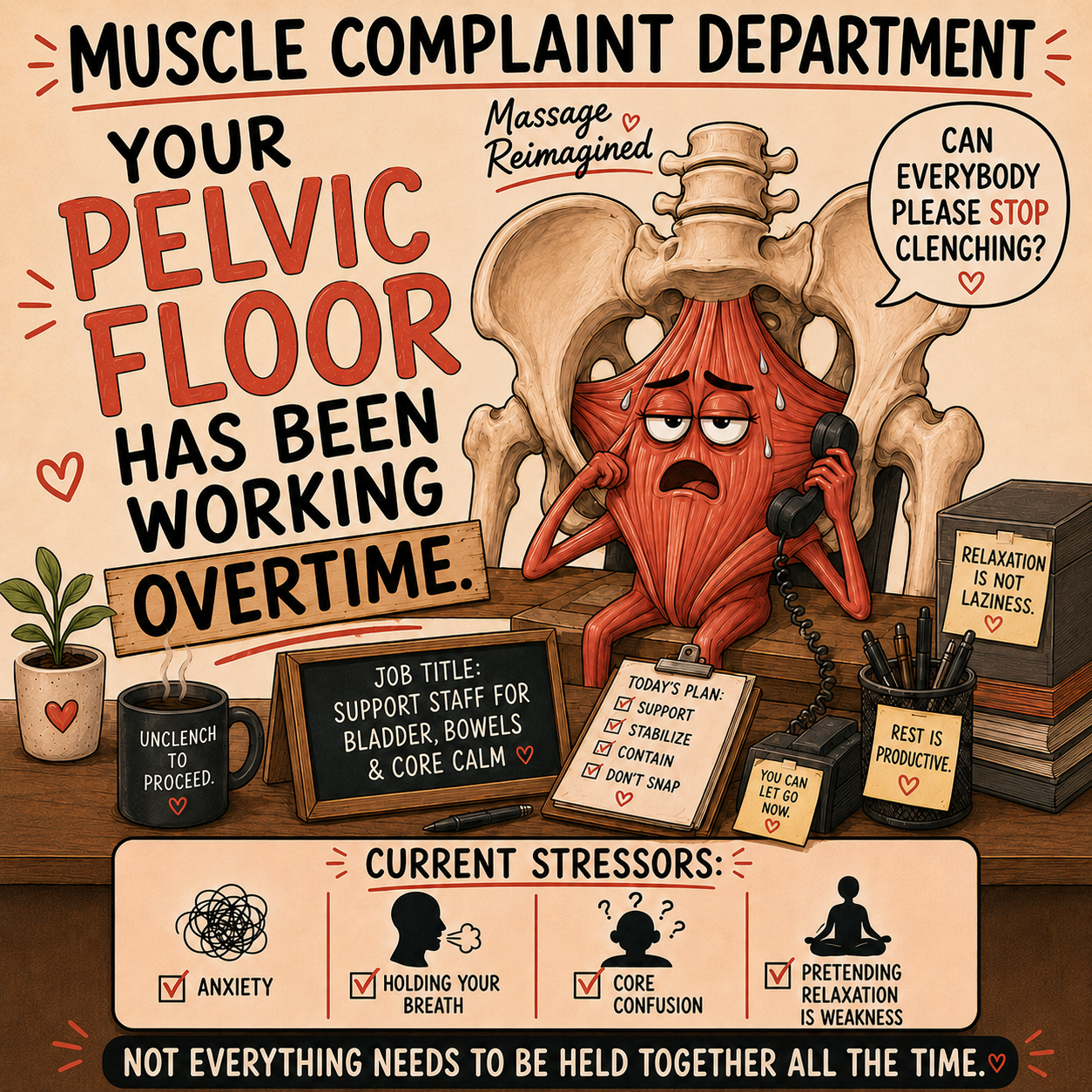
The pelvic floor is often discussed only when something goes wrong, yet it participates in nearly every breath, step, lift, laugh, and change of position. This group of muscles helps support the pelvic organs, contributes to continence and sexual function, and works with the diaphragm and abdominal wall to manage pressure through the trunk. Because it is part of a coordinated system, pelvic floor relaxation is not simply about one isolated group of muscles learning to let go.
The pelvic floor is part of a pressure-management system
When you inhale, the diaphragm descends and the pelvic floor normally responds with a subtle lengthening. When you exhale, both structures recoil. The deep abdominal muscles and spinal stabilizers also contribute. Ideally, this system adjusts automatically to the task. It should be able to create support when needed and reduce effort when the demand has passed.
Why the pelvic floor may stay tense
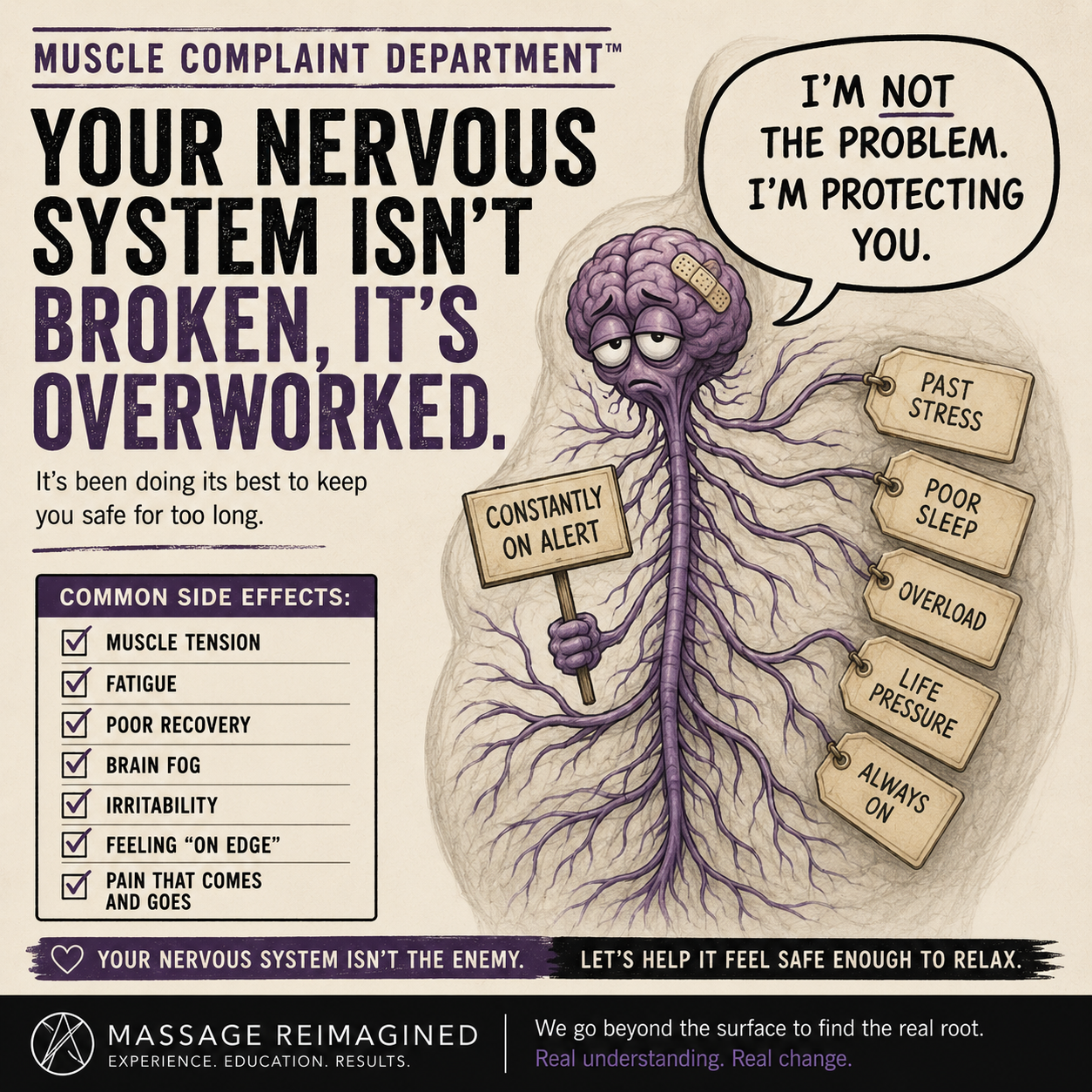
Chronic stress can interfere with that flexibility. Some people unconsciously brace their abdomen, hold their breath, grip the buttocks, clench the jaw, or tighten the pelvic floor throughout the day. The body may be trying to create safety or stability, but the muscles never receive a clear message that the emergency is over. Over time, persistent tension may contribute to discomfort, urinary urgency, painful intercourse, constipation, difficulty taking a full breath, or a feeling that the core is always working too hard.
Weakness and overactivity can look similar
A common misconception is that every pelvic floor concern requires more strengthening. Weakness and overactivity can produce overlapping symptoms, and a muscle that stays tense is not necessarily functioning well. It may be unable to generate useful force because it cannot first lengthen and coordinate. That is why generalized advice to do more Kegels is not appropriate for everyone. A pelvic health physical therapist or other qualified clinician can evaluate symptoms and provide individualized guidance.
How whole-body massage may support relaxation
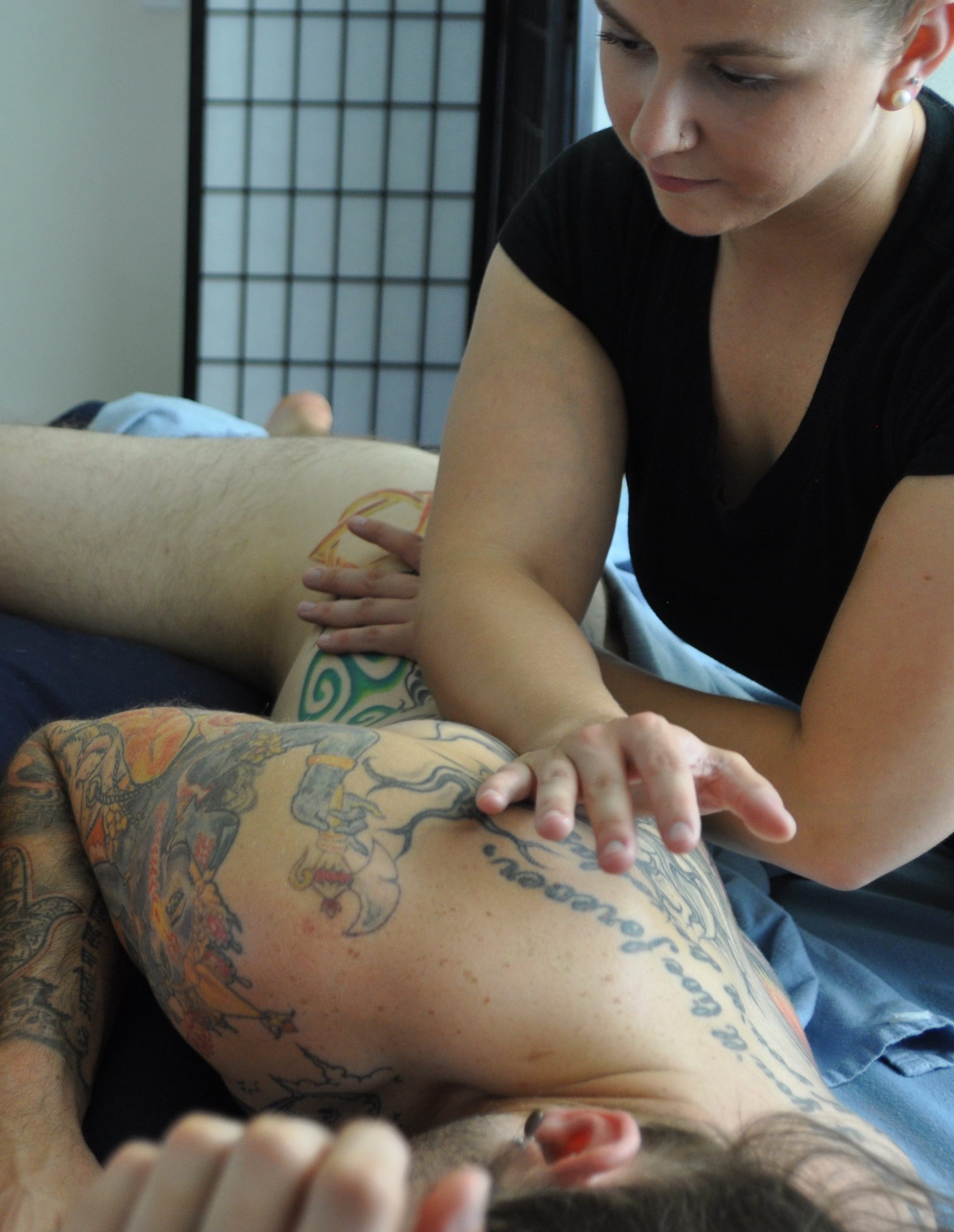
Massage therapy does not replace pelvic floor rehabilitation, and most general massage sessions do not involve internal pelvic floor work. What massage can do is address the broader patterns that may accompany pelvic floor tension: restricted breathing, abdominal bracing, hip tightness, gluteal guarding, low-back tension, and a nervous system that has difficulty shifting out of vigilance. Clear consent and professional boundaries are especially important when working near the abdomen, hips, pelvis, or gluteal region.
Sometimes the body does not need more effort. It needs permission, safety, and enough time to soften. A thoughtful whole-body massage may help the breath become less guarded and the surrounding muscles reduce their grip. The pelvic floor does not have to hold everything together all the time. Good support includes the ability to engage, respond, and then let go.
When to seek professional evaluation
Pelvic pain, urinary or bowel changes, pain with sexual activity, pressure or heaviness, and symptoms following pregnancy, surgery, or trauma deserve assessment by a qualified healthcare professional. A pelvic health physical therapist can evaluate whether the muscles are weak, overactive, poorly coordinated, or responding to another condition. Massage therapy can support general relaxation and body awareness, but it should not substitute for pelvic-floor diagnosis or rehabilitation.
Learn more from trusted health sources
For more information about pelvic floor dysfunction and the role of specialized rehabilitation, start with these resources:
A thoughtful next step
If this description sounds familiar, a personalized massage session may help you explore the larger pattern rather than only chasing the sorest spot. Massage Reimagined offers thoughtful, whole-body massage in Seattle with locations in Lower Queen Anne, Fremont, and Magnolia.
Your muscles have been trying to get your attention. Maybe it is time to listen. Schedule Now