Why the Body Protects Before It Relaxes
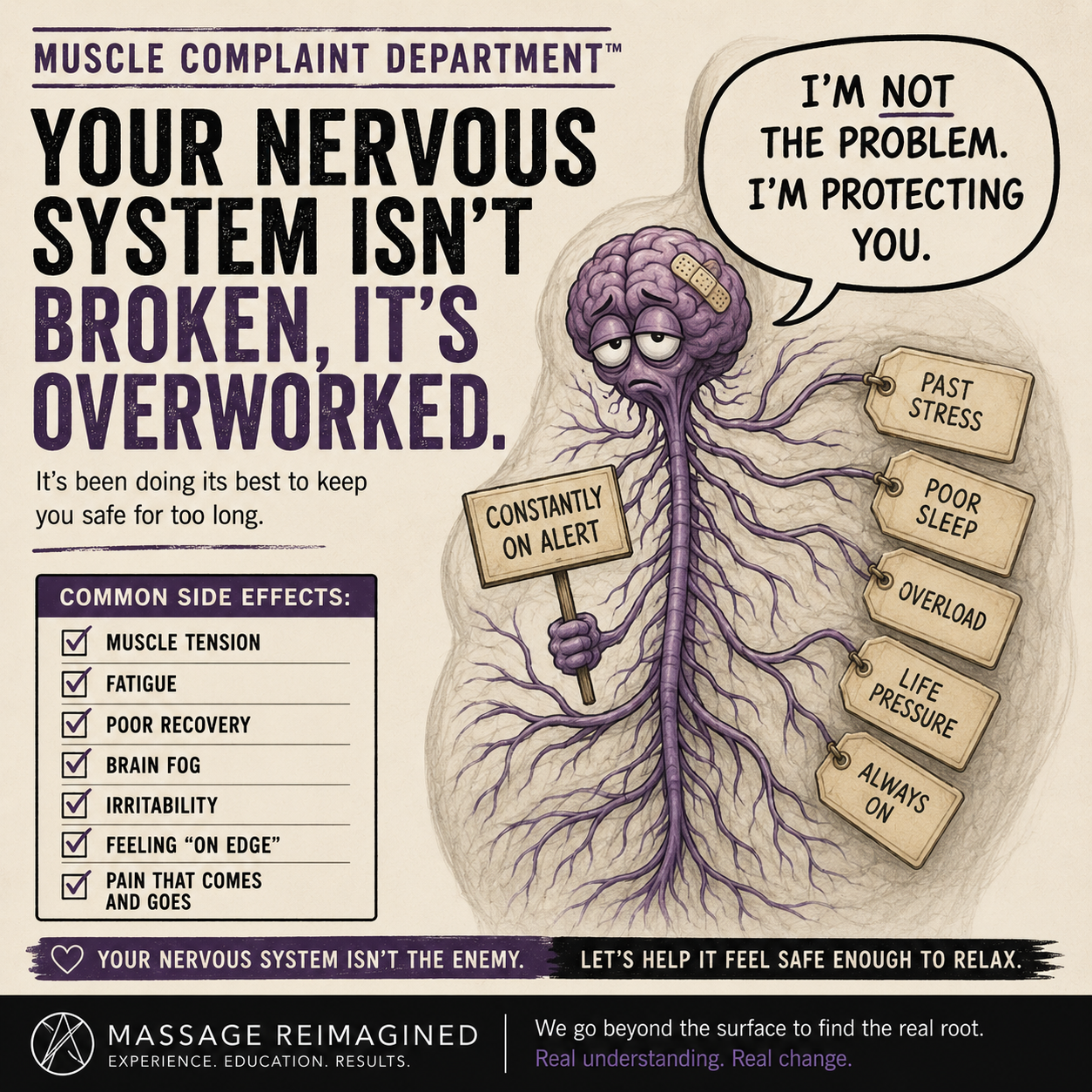
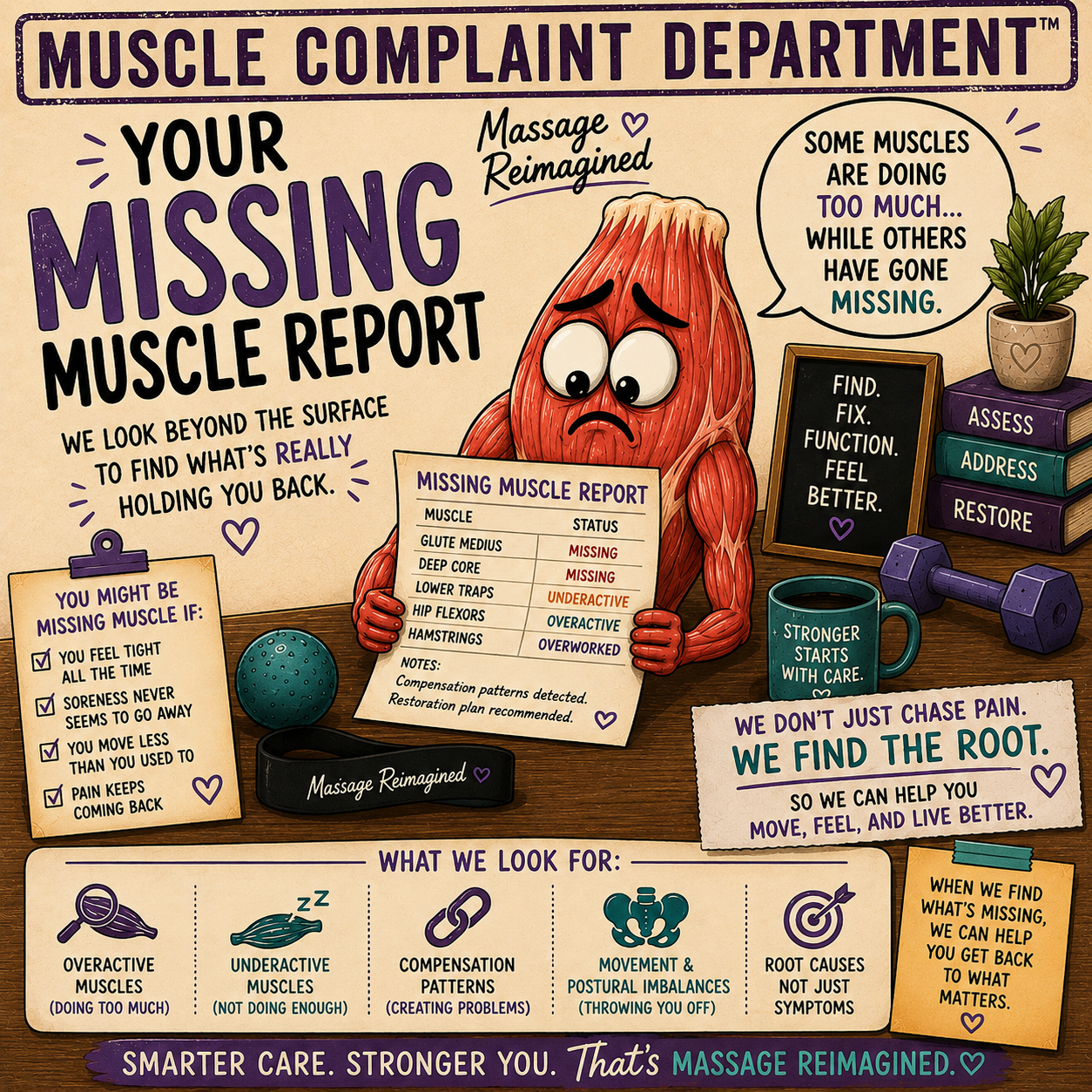
The nervous system may be the most important member of the Muscle Complaint Department. Every movement, sensation, breath, and experience is processed through it. Muscles do not decide independently to tighten or relax; their tone is influenced by the brain, spinal cord, sensory information, past experiences, current demands, and the body’s ongoing assessment of safety.
The nervous system decides what feels safe
When the nervous system perceives threat, the body prepares. Breathing may become faster or shallower, muscles may brace, attention narrows, and pain sensitivity can increase. These changes are not signs that the body is broken. They are protective responses designed to help you survive. The problem is that the system can remain vigilant long after the immediate danger has passed, especially during chronic stress, poor sleep, unresolved pain, or repeated overload.
Tension can be protective rather than defective
This helps explain why forcing a muscle to relax often fails. If the nervous system believes tension is necessary, aggressive stretching or deep pressure may be interpreted as another threat. The body may soften briefly and then tighten again, or it may brace during the session. More intensity is not always more therapeutic.
Why forcing relaxation often fails
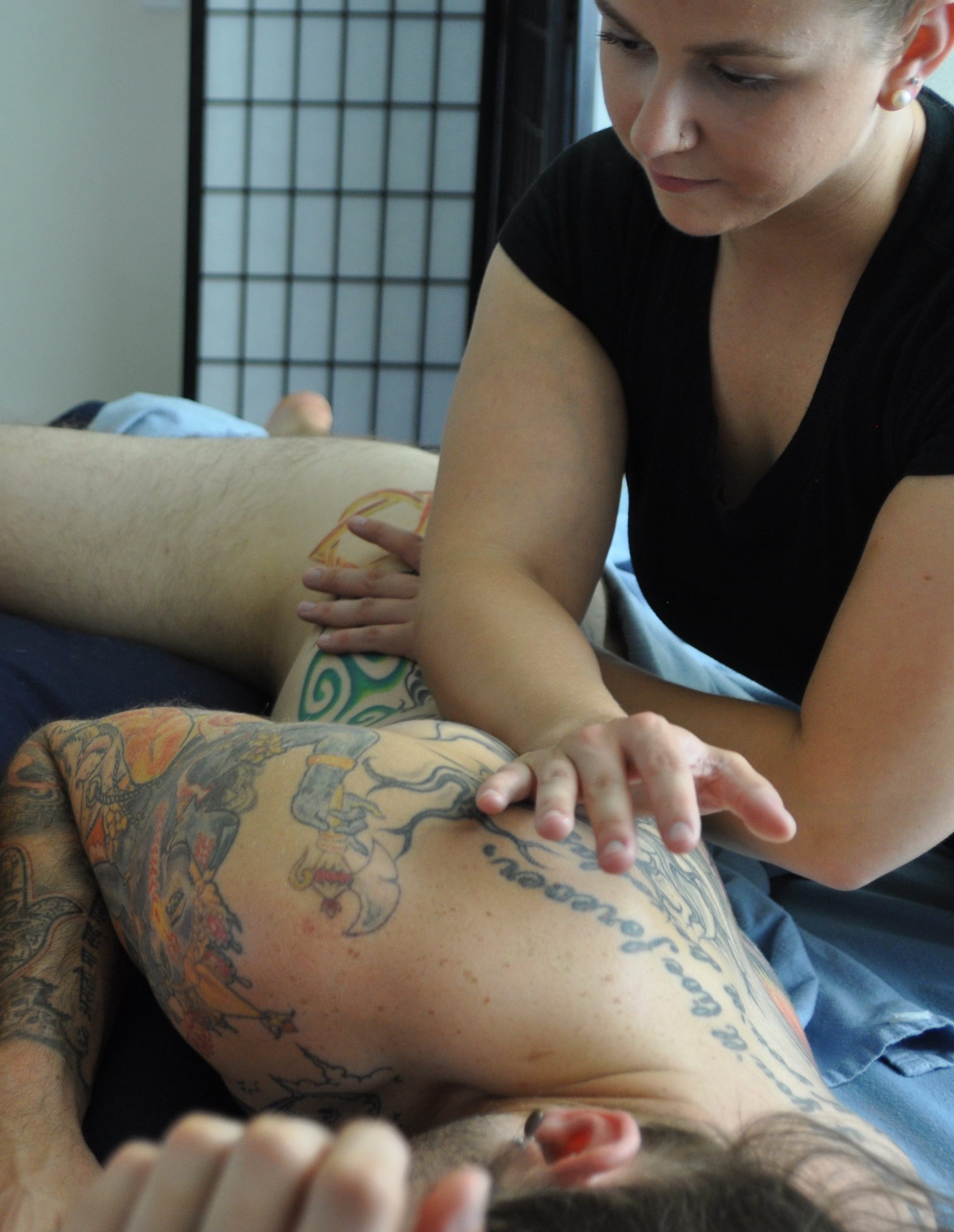
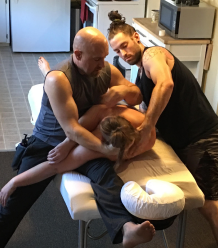
Nervous system massage in Seattle is less about a special technique and more about how the work is delivered. Pace, predictability, consent, pressure, temperature, sound, and communication all matter. Slow transitions, broad contact, and opportunities for the client to choose can reduce uncertainty. The therapist pays attention to changes in breathing, guarding, facial expression, and the client’s verbal feedback rather than following a fixed routine regardless of response.
What nervous-system-informed massage looks like
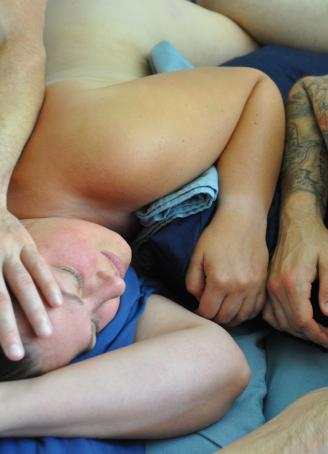
A nervous-system-informed session does not promise to ‘reset’ the nervous system or cure trauma. It can, however, provide an experience of safe, attuned touch and help the body practice shifting out of constant vigilance. Some clients want quiet; others regulate better through conversation. Some prefer firm pressure; others need light, consistent contact. There is no universally calming technique.
Sometimes the body does not need more stretching. It needs more safety, more choice, and enough time to recognize that it no longer has to protect at full intensity. Massage Reimagined approaches tension as communication rather than failure. Your nervous system is not the enemy. It has been trying to keep you alive, not comfortable. The work is to help it discover that comfort can also be safe.
When to seek professional evaluation
Nervous-system regulation language can be helpful, but it should not be used to explain away every symptom or imply that pain exists only because someone feels unsafe. Persistent pain, weakness, sensory changes, fainting, severe headaches, new coordination problems, or other neurologic symptoms require medical evaluation. Massage may support relaxation and comfort, while diagnosis and treatment of neurologic or mental health conditions remain outside a massage therapist’s scope.
Learn more from trusted health sources
For evidence-based information about stress, relaxation practices, and the nervous system, these resources are useful starting points:
A thoughtful next step
If this description sounds familiar, a personalized massage session may help you explore the larger pattern rather than only chasing the sorest spot. Massage Reimagined offers thoughtful, whole-body massage in Seattle with locations in Lower Queen Anne, Fremont, and Magnolia.
Your muscles have been trying to get your attention. Maybe it is time to listen. Schedule Now