Why Your Feet Influence the Rest of Your Body
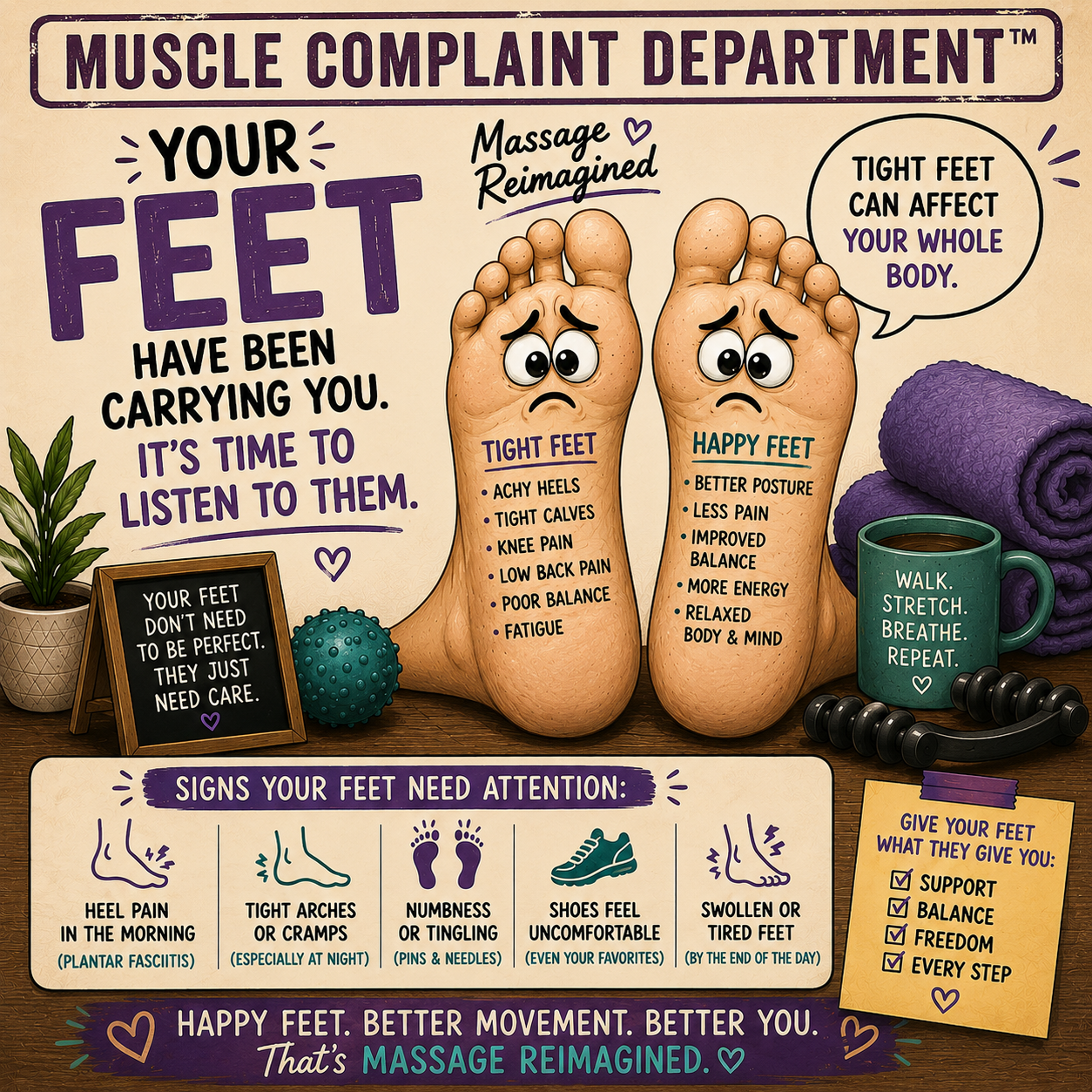
Your feet have supported this operation from the beginning. Each foot contains 26 bones, numerous joints, layers of muscle and connective tissue, and a dense supply of sensory receptors. They adapt to the ground, help manage balance, absorb and transfer force, and provide information that influences movement throughout the body. It makes sense that people searching for foot massage in Seattle often describe concerns that extend beyond the feet themselves.
Your feet are more than transportation devices
Healthy feet constantly communicate with the nervous system. The pressure under the heel, big toe, and forefoot helps the brain understand where the body is in space. Small changes in the surface beneath you require rapid adjustments through the ankles, knees, hips, and trunk. When the feet are painful, stiff, numb, or confined, the body may adopt a more cautious strategy.
How the feet communicate with the nervous system
Foot mobility can change for many reasons: repetitive loading, footwear, injury, time spent on hard surfaces, decreased activity, or simply a lack of varied movement. Some people develop tight arches or heel discomfort, while others feel that their feet are weak or unable to spread naturally. The plantar fascia may become sensitive, but the foot is rarely an isolated strip of tissue. Calf tension, ankle mobility, walking mechanics, and overall workload all matter.
What happens when foot mobility changes
When the feet do not adapt well, force has to be managed somewhere else. The knees may rotate differently, the hips may alter their strategy, or the low back may become more guarded. This does not mean every knee or back problem begins in the feet, but it does mean the foundation deserves attention as part of a whole-body assessment.
How massage can support foot comfort
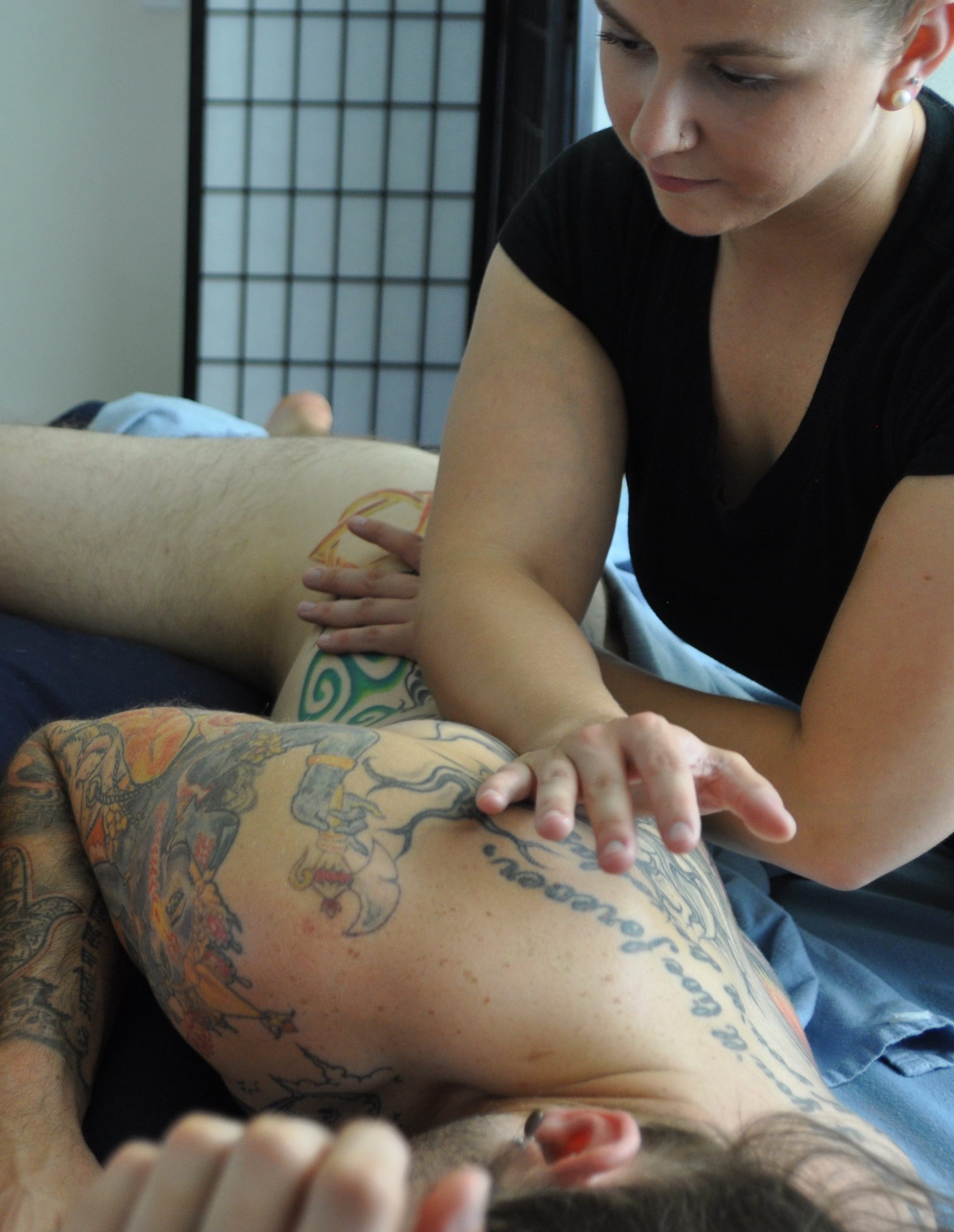
Foot massage can include the arches, heel, toes, top of the foot, ankles, and lower legs. Pressure should be adjusted carefully because sensitive feet can become overwhelmed quickly. Slow, broad contact and gentle movement may be more useful than digging into the most painful point. Massage may improve comfort and awareness, but persistent pain, unexplained numbness, wounds, sudden swelling, or suspected injury should be evaluated medically.
Your feet do not need to be perfect. They need enough mobility, strength, sensation, and recovery to do their job. A thoughtful whole-body massage can help reduce local tension while also considering the calves, hips, and movement patterns above them. Happy feet do not guarantee a perfect body, but they give the rest of you a more responsive foundation.
When to seek professional evaluation
Foot pain should be evaluated when it follows an injury, prevents normal weight-bearing, includes marked swelling or discoloration, is associated with numbness or weakness, or does not improve with reasonable self-care. People with diabetes, impaired circulation, neuropathy, or open skin wounds should be particularly cautious about treating foot symptoms on their own. Massage can support comfort, but it cannot determine whether pain comes from fascia, tendon, bone, nerve, or joint tissue.
Learn more from trusted health sources
These resources explain common causes of heel and foot pain and offer conservative care guidance:
A thoughtful next step
If this description sounds familiar, a personalized massage session may help you explore the larger pattern rather than only chasing the sorest spot. Massage Reimagined offers thoughtful, whole-body massage in Seattle with locations in Lower Queen Anne, Fremont, and Magnolia.
Your muscles have been trying to get your attention. Maybe it is time to listen. Schedule Now